The tree in your yard is in your sewer line.
Tidewater's live oaks, crepe myrtles, and pines all chase the same thing: the water in your sewer line. We find the intrusion with a camera, cut it out without digging up your yard, and tell you honestly whether the pipe behind it still has years left.
4.92,400+ Google reviews
Licensed · Bonded · Insured
Family-owned since 1968
Free Estimates On Large Jobs
Upfront quotes before any work begins. Compare with confidence.
Satisfaction Guaranteed Since 1968
Your first call for Virginia Beach, Chesapeake, and Norfolk plumbing needs.
Financing Available
our first call for Virginia Beach, Chesapeake, and Norfolk plumbing needs.
Find it, cut it, keep it out
Root Intrusion: The Homeowner's Guide
Clearing the roots is the easy part. The real question is what let them in, and whether the pipe is worth saving. We answer that on camera before quoting a repair.
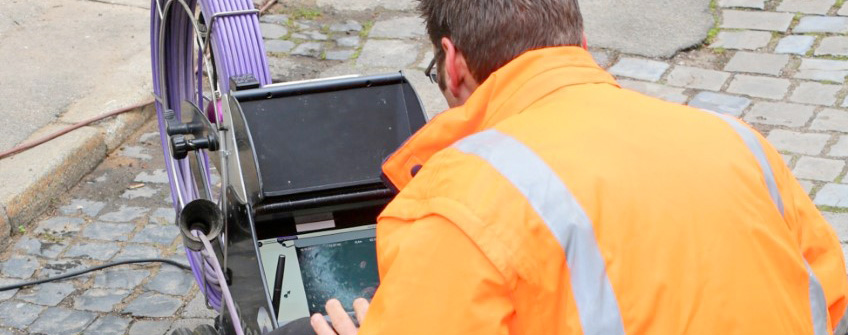
Camera inspection
Before anything else, we send a camera down the line and show you the footage. You see the intrusion, the pipe material, and the condition of the joints.
Request service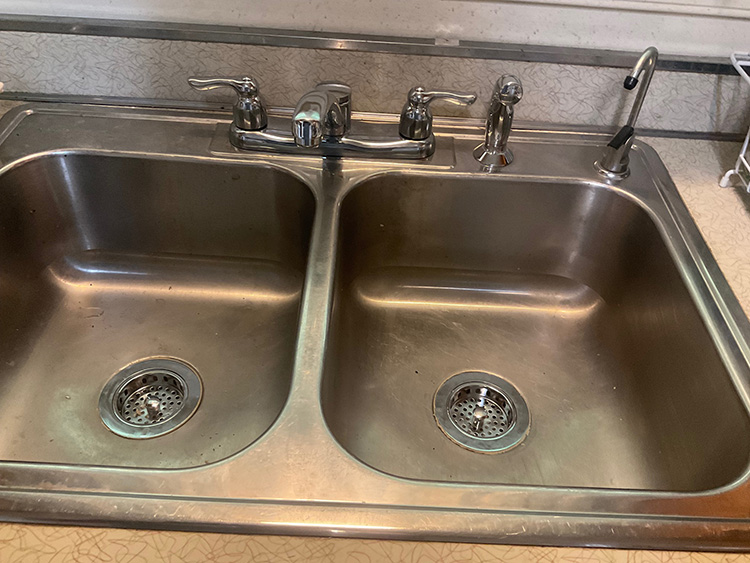
Mechanical root cutting
A sectional cable with the right cutting head shears the root mass back to the pipe wall — the only method that actually removes what's in there.
Request service
Hydro-jetting
High-pressure water scours the remaining root hairs, grease, and scale off the pipe wall, so the line runs full-diameter instead of barely open.
Request service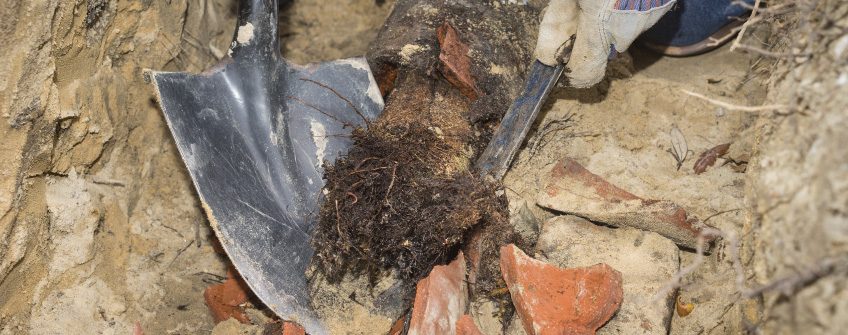
Spot repair & replacement
When the camera shows a collapsed clay joint or cracked Orangeburg, cutting is a stopgap. We quote the repair honestly and only where it's needed.
Request serviceScroll to explore our services
How they get in
Why Roots Always Find the Sewer Line
Roots aren't attacking your pipe. They're following moisture and nutrients, and a sewer line leaks a faint trail of both through every joint. In sandy Tidewater soil that trail carries a long way.
A hairline root finds a hairline gap — an old clay joint, a cracked Orangeburg section, a settled connection at the city tap. Once inside, it swells, catches paper and grease, and turns a slow drain into a backup.
That's why cutting alone is a maintenance plan, not a cure. We show you on camera exactly where the opening is, so you can decide between a yearly cut, a spot repair, or a liner.
Ask a Plumber
Third backup this year?
Ask a real plumber.
Tell us how often it backs up, which fixtures go first, and what's growing in the yard. A master plumber will tell you whether you're looking at a cut, a repair, or a line replacement. No bots, no upsell.
Tell us what you're seeing — gurgling toilets, a slow tub, or water coming up at the lowest drain in the house.
Main backs up about every six months. Big oak out front. Is that roots?
155+
years combined experience
14
Fully stocked service trucks
24/7
Emergency Dispatch
The Signs
How To Tell Roots Are In Your Line
Root intrusion rarely announces itself all at once. It starts as a drain that's a little slow and ends, months later, with sewage on a basement floor.

Stop using water and call us
- Sewage backing up into a tub, shower, or floor drain
- Every drain in the house slow or stopped at once
- Water rising in the cleanout when a fixture is used
- A sewage smell indoors or a wet, sunken patch in the yard
- Toilets that won't flush anywhere in the house

Worth a camera, not a panic
- Gurgling from a toilet when the washer or tub drains
- One fixture — usually the lowest — draining slower each month
- Backups that return every few months after being snaked
- Unusually green, fast-growing grass in a line across the yard
- Unusually green, fast-growing grass in a line across the yard
- A home built before 1980 with original clay or Orangeburg pipe
About those foaming root killers
Copper sulfate and foaming root products can slow regrowth in a line that's already been mechanically cleared — they don't clear an active blockage, and they won't close the gap that let roots in. Rock salt is worse: it corrodes older pipe and does nothing to the root mass. Clear it properly first, then talk to us about maintenance.
From the Blog
Which Trees Cause the Most Sewer Trouble in Hampton Roads
And how far from the line they need to be planted.
Watch: 30 seconds with Atomic
Meet the crew who'll show up at your door.
A quick look at how we work, why families across Hampton Roads keep calling us back, and what to expect when the blue truck pulls up.
Usual Suspects
The trees we find in Tidewater sewer lines.
Fast-growing and water-hungry species are the usual culprits, and a mature root system reaches far wider than the canopy suggests
Live oak
Willow
Silver maple
Crepe mrytle
Loblolly pine
Sweetgum
American elm
Bradford pear
Teacher & military discounts available · Financing for jobs over $1,000
Equipment We Run
RIDGID
Spartan
General
US Jetting
Your neighbors trust us
Always a friendly face at your door.
Family owned and family operated, we're proud to be recognized as the best plumbing company in Virginia Beach.
“Third backup in two years and other companies just snaked it. Atomic put a camera down, showed me the cracked joint under the oak, and we fixed the actual problem.”
“Cleared the roots and jetted the line the same morning I called. He walked me through the before-and-after footage on his tablet in the driveway.”
“They told me my line had maybe five good years left and that an annual cut would carry me there — instead of selling me a replacement that day. That's rare.”
Recognized across Hampton Roads






Join 2,400+ neighbors who trust Atomic
Same-day service across Virginia Beach, Norfolk, and Chesapeake.
Your neighbors trust us
When you see the blue truck,
help has arrived.
Every Atomic truck is a fully stocked workshop on wheels - radio-dispatched, GPS-tracked, and driven by a licensed master plumber. Most repairs finish in a single visit.
Commonly Asked Questions
Root questions, answered.
How do roots get into a sealed sewer pipe?
They don't break in — they find an opening. Sewer lines leak a faint trail of moisture and nutrients through joints and hairline cracks, and roots grow toward it. A root hair thin enough to enter a settled clay joint or a crack in old Orangeburg pipe then thickens inside, catching paper and grease until the line blocks.
Will a snake from the hardware store fix it?
A consumer auger can punch a hole through a soft clog, but it won't shear a root mass off the pipe wall — and the relief lasts weeks, not seasons. Root removal needs a sectional machine with a proper cutting head, and ideally a camera first so you know what you're cutting into.
Do chemical root killers work?
Copper sulfate and foaming products can slow regrowth in a line that's already been mechanically cleared. They won't clear an active blockage and they won't close the gap that let roots in. Skip rock salt entirely — it corrodes older pipe and does nothing to the root mass.
How often will I need this done?
If the pipe has an opening, roots come back. Most homeowners on an older clay line do a maintenance cut every 12 to 24 months, and we'll tell you your interval based on what the camera shows. If you'd rather stop the cycle, a spot repair or liner at the intrusion point ends it.
Will you have to dig up my yard?
Usually not. Cutting and jetting are done through an existing cleanout with no excavation at all. Digging only comes into it when the camera shows a collapsed or badly offset section that can't be cleared — and in those cases we'll show you the footage before quoting anything.
Who pays for the line under the street?
In most Hampton Roads jurisdictions the homeowner owns the lateral from the house to the city main, including the portion under the sidewalk or street. We'll identify where your responsibility ends when we inspect — and if the problem is on the city's side, we'll tell you that too.
Still have a question?
Talk to a real plumber, not a bot. We usually reply within an hour.
All Services
More plumbing

Water Heaters
Gas, electric, and tankless installation, repair, and replacement across Hampton Roads.

Drain Cleaning & Maintenance
Kitchen, toilet, and shower drains cleared fast, plus preventative maintenance that stops clogs before they start.

Pipe Cleaning & Repairs
Aging pipes, leaks, corrosion, and repiping. Don't wait for a burst line to find out what's behind the wall.
Request an Appointment
Let's get your line following again.
Tell us what's going on and when you'd prefer us to arrive. We'll confirm your appointment by phone or email within one business hour.
- ✓Clear communicationWe text 30 minutes out - with a photo of your technician.
- ✓Transparent pricingUpfront quotes before any work begins. Never a hidden fee.
- ✓Clean & respectfulShoe covers on, tools tidy, wrapped up before we leave.