Don't wait for a burst. Repair to be prepared.
The average U.S. homeowner spends more than $3,000 a year on repairs and upkeep, and an unexpected plumbing failure can double that overnight. We inspect, clean, repair, and replace pipes across Hampton Roads.
4.92,400+ Google reviews
Licensed · Bonded · Insured
Family-owned since 1968
Free Estimates On Large Jobs
Upfront quotes before any work begins. Compare with confidence.
Satisfaction Guaranteed Since 1968
Your first call for Virginia Beach, Chesapeake, and Norfolk plumbing needs.
Financing Available
our first call for Virginia Beach, Chesapeake, and Norfolk plumbing needs.
INSPECT, REPAIR, REPLACE
Pipe services we handle every day
Your plumbing is a web of piping mostly hidden behind walls or below ground. Like any system, it relies on regular maintenance and an owner who knows what to look for. Here's where we come in.
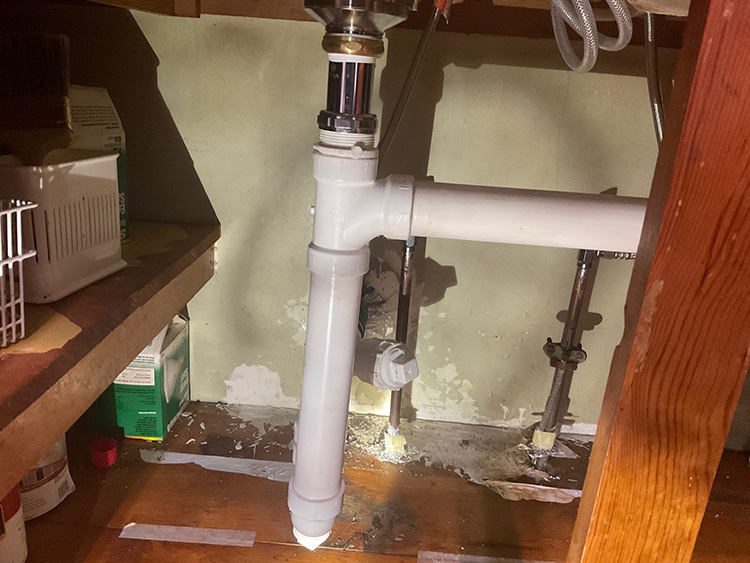
Pipe inspections
A complete inspection covers water pressure, drains, sewer camera work, kitchen lines, outdoor piping, and the crawl space. Every two years is the rule of thumb.
Request service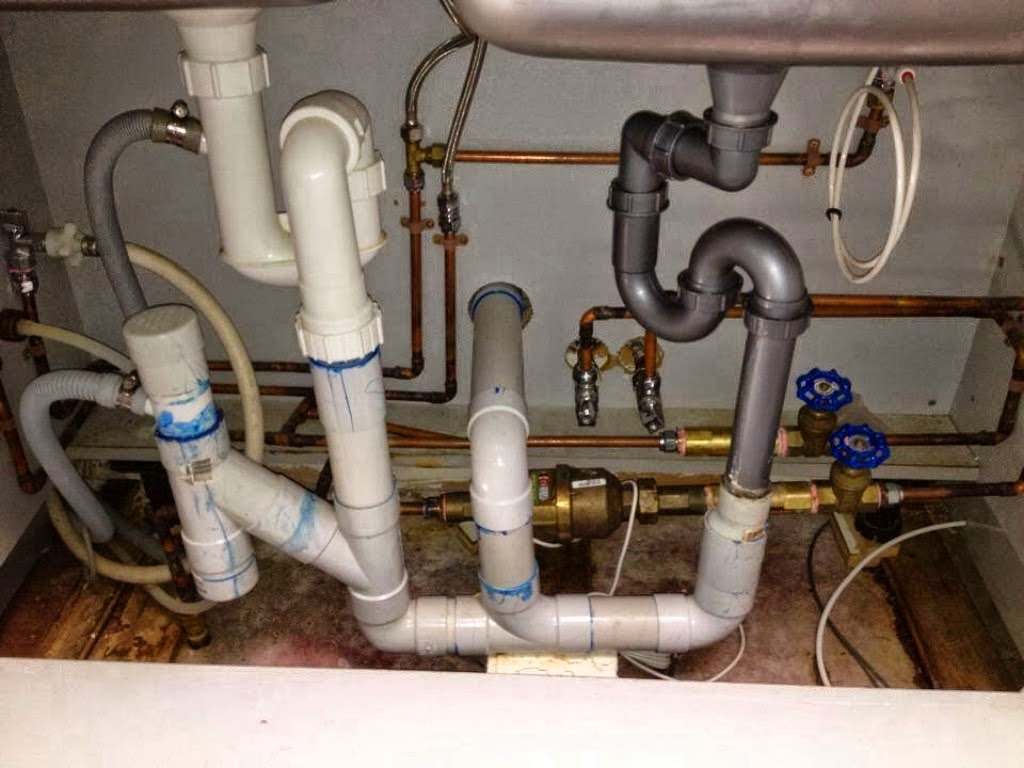
Leak detection & repair
Puddles, wall discoloration, and rising water bills all point to a leak. We find it and fix it before it reaches your framing or floors.
Request service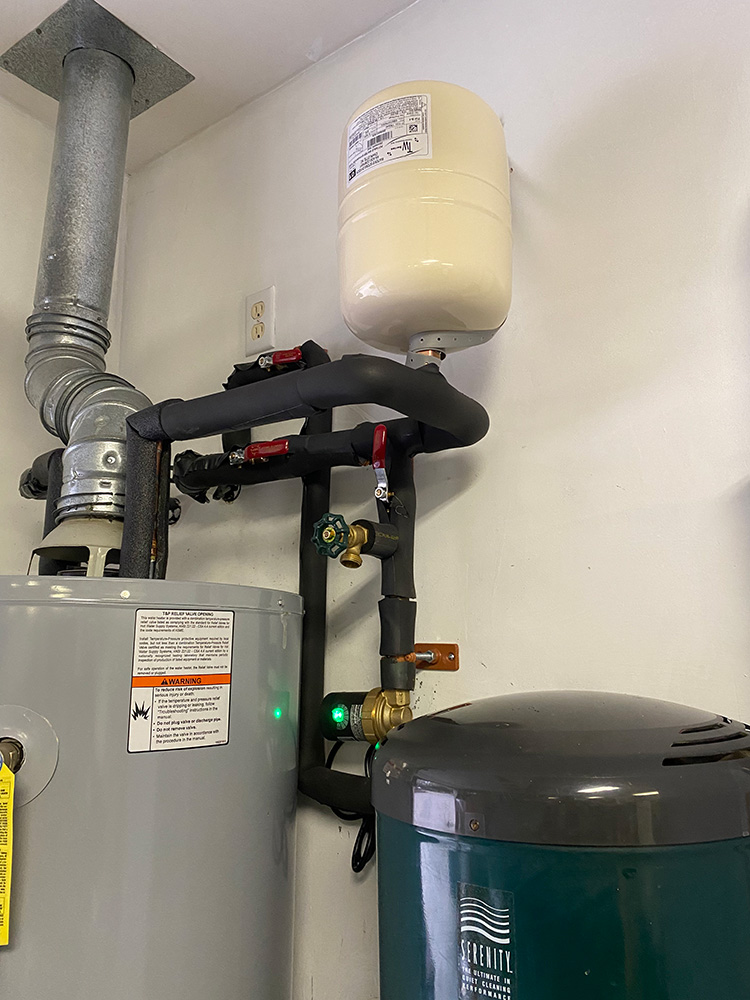
Corroded pipe replacement
Dimples, pimples, flaking, and brown or yellow water mean corrosion. We replace failing sections before they burst.
Request service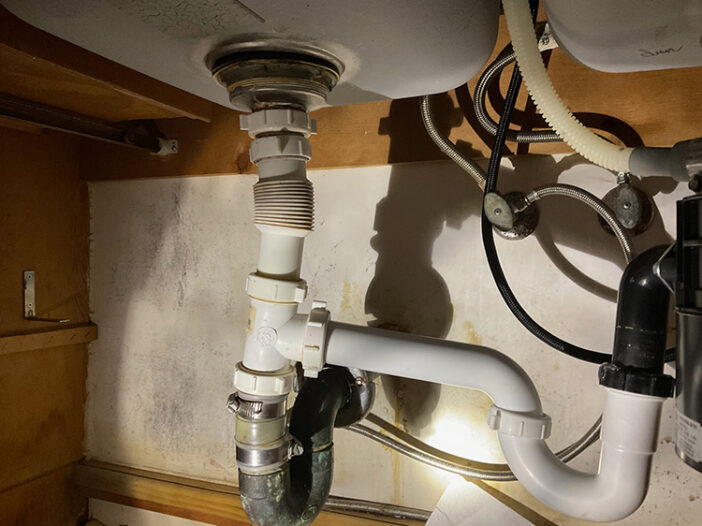
Repiping & lead removal
Galvanized steel, cast iron, polybutylene, or lead. If your home still has old material in the walls, we'll lay out a plan to replace it.
Request serviceScroll to explore our services
The Hidden System
How Old Pipes Cause Plumbing Problems
One of the major systems in a home is the plumbing system: a series of faucets and drains leading to an interconnected web of piping that sits mostly behind walls or below ground.
Like any system, it relies on regular maintenance and homeowners who understand it. Old pipes are more susceptible to the wear and tear of daily usage. Identifying whether yours are old, caring for the existing system, and replacing pipe as needed are all necessary steps to avoid a serious problem.
Plumbing problems are caused by a mix of factors: condition, weather, and neglect. Even with the best oversight they still happen, which is exactly why regular pipe cleaning and repairs matter.
Ask a Plumber
Not sure if your pipes need repair or replacement?
Ask a real plumber.
Tell us the age of your home, what the pipes look like, or what your water looks like coming out of the tap. A master plumber will give you an honest read. No bots, no upsell.
Tell us what you're seeing: discolored water, damp spots, low pressure, or just an older home you want checked.
1962 house, water has a brown tint in the morning. Are my pipes shot?
155+
years combined experience
14
Fully stocked service trucks
24/7
Emergency Dispatch
Know Your Material
What Age of Pipes Is Considered Old?
What makes a pipe old depends on the construction material. The first consideration is the home itself: newer construction rarely needs worry, but a house 60 years or older is worth inspecting.

Metal pipes
Metal has the shortest lifespan, capping out at around 50 years. Some types break down faster, especially when the water they transport has high acidity. Cast iron and galvanized steel are the usual suspects, though a galvanized line can occasionally last longer.
- Roughly 50-year ceiling
- Corrode faster with acidic water
- Narrowing invites blockage

Plastic pipes
Plastic has a much longer shelf life, lasting up to 100 years. Not all plastics are equal, though. Polybutylene in particular has a much shorter lifespan, with leaks starting after just 10 to 15 years.
- Up to 100 years of service
- No corrosion from acidity
- Polybutylene is the exemption
Not sure what's behind your walls? We can often identify pipe material from exposed sections at the water heater, under sinks, or in the crawl space, and take samples for testing when the condition can't be determined visually. Narrowing from corrosion also invites drain blockages that a plunger alone won't clear.
Watch: 30 seconds with Atomic
Meet the crew who'll show up at your door.
A quick look at how we work, why families across Hampton Roads keep calling us back, and what to expect when the blue truck pulls up.
Simple checks you can do
Signs Your Pipes Are Failing
Between professional visits, homeowners can perform simple inspections. Without being too paranoid, any unusual sound, smell, or change in appearance is reason enough to have a professional take a look.
Puddles and damp spots
Water pooling near exposed pipes is the most obvious sign of a leak, along with discoloration of nearby walls or floors.
Dimples, pimples, flaking
Surface irregularities on metal pipe are early corrosion. Stains and discoloration often come with it.
Brown or yellow water
A rust tint at the tap, tub, or shower head suggests corrosion inside pipes you can't see.
A climbing water bill
If your balance jumped and stayed high without a change in usage, you likely have a leak out of sight.
Low or uneven pressure
Corroded metal narrows over time. Pressure drops are often the first symptom before an outright failure.
Unusual sounds or smells
Banging, hissing, or a musty odor near a wall are all worth a professional inspection.
Simple checks you can do
Do You Need to Replace Old Pipes?
How to tell your pipe material, what each one costs to replace, and when a repair is the smarter call.
Health & Safety
What Pipe Materials Become Dangerous Over Time?
The most obvious case is lead. Over time, lead piping corrodes and can release toxins into the water that flows through it. If your home may still have lead lines, testing is the first step.
Risks for adults
- High blood pressure
- Hypertension
- Kidney problems
- Reproductive problems
- Pregnancy complications
Lead is especially dangerous for children
- Learning problems
- Hyperactivity
- Anemia
- Hearing problems
- Stunted growth
Small amounts of lead aren't harmful, and showering in lead-contaminated water isn't dangerous since absorption through the skin isn't possible. Drinking water is the concern, and that's what testing and replacement address.
Your neighbors trust us
Always A Friendly Face At Your Door.
Family owned and family operated, we're proud to be recognized as the best plumbing company in Virginia Beach.
"They found a slab leak we'd been chasing for months. Explained everything, showed us the camera footage, and repaired it the same week."
"Our 1950s house still had galvanized lines. Atomic laid out a repipe plan in phases so we could budget for it. No pressure at all."
"Burst pipe at 11pm during a freeze. They answered, walked me through shutting the water off, and had someone here before midnight."
Recognized across Hampton Roads





Join 2,400+ neighbors who trust Atomic
Same-day service across Virginia Beach, Norfolk, and Chesapeake.
Your neighbors trust us
When you see the blue truck,
help has arrived.
Every Atomic truck is a fully stocked workshop on wheels - radio-dispatched, GPS-tracked, and driven by a licensed master plumber. Most repairs finish in a single visit.
Commonly Asked Questions
Pipe questions, answered.
How often should old pipes be inspected?
A general rule for homeowners is a full plumbing inspection every two years. That schedule lets you get ahead of a problem before it becomes severe and expensive. A complete inspection should include water pressure and drain checks, a sewer camera pass on the sewer lines, the kitchen piping (more at risk for corrosion and leaks), the water heater, outdoor piping, and underneath the home if it sits on a raised crawl space.
What age of pipes is considered old?
It depends on the material. Metal pipes have the shortest lifespan, capping out around 50 years, and cast iron and galvanized steel break down faster when the water they carry is acidic. Plastic pipes can last up to 100 years, though polybutylene is a notable exception with leaks starting after just 10 to 15 years. If your home is 60 years or older, an inspection is prudent.
What pipe materials become dangerous over time?
Lead is the clearest case. Over time lead piping corrodes and releases toxins into the water flowing through it, which is linked to high blood pressure, hypertension, kidney problems, reproductive problems, and pregnancy complications. In children it can cause learning problems, hyperactivity, anemia, hearing problems, and stunted growth. Small amounts are not harmful, and showering in lead-contaminated water is not dangerous since absorption through the skin is not possible.
What causes a pipe to break?
High water pressure, blockage, tree roots, and freezing weather are common triggers, but old age is a major factor on its own. Erosion over time makes older pipes more vulnerable to every one of those causes, and corroding metal pipes narrow, which invites blockage on top of normal buildup.
What are the warning signs I can check myself?
Look for puddles near exposed pipes, discoloration or stains on walls and floors, dripping, rust, and surface dimples, pimples, or flaking. Check the color of your water: a brown or yellow tint suggests rust. And watch your water bill, since a balance that jumps and stays high without a change in usage often means a hidden leak.
Do you need to replace old pipes?
Not always. Many aging systems can be cleaned, patched, or partially repiped. What matters is knowing the material, the age, and the condition. We inspect first and give you an honest recommendation with a flat-rate quote before any work begins.
Still have a question?
Talk to a real plumber, not a bot. We usually reply within an hour.
All Services
More plumbing

Water Heaters
Gas, electric, and tankless installation, repair, and replacement across Hampton Roads.

Drain Cleaning & Maintenance
Kitchen, toilet, and shower drains cleared fast, plus preventative maintenance that stops clogs before they start.
Garbage Disposal
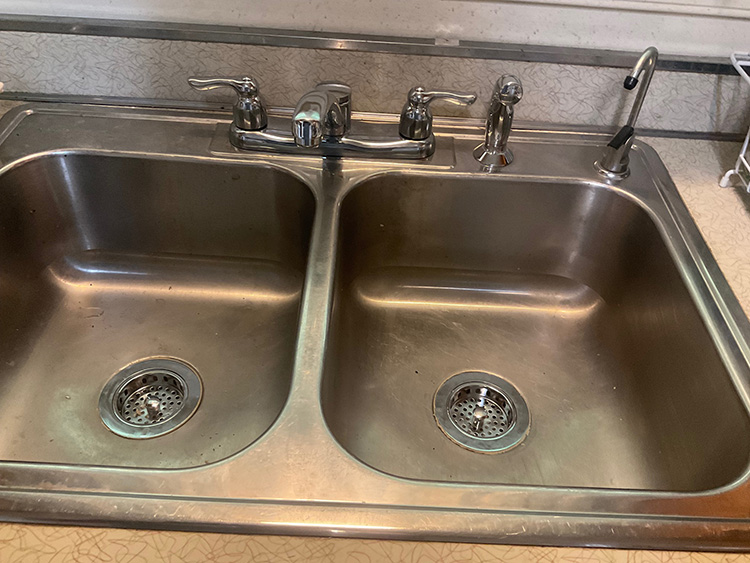
Installation, repair, and replacement of continuous-feed and batch-feed disposals.
Request an Appointment
Let's get ahead of the next leak.
Tell us what's going on and when you'd prefer us to arrive. We'll confirm your appointment by phone or email within one business hour.
- ✓Clear communicationWe text 30 minutes out - with a photo of your technician.
- ✓Transparent pricingUpfront quotes before any work begins. Never a hidden fee.
- ✓Clean & respectfulShoe covers on, tools tidy, wrapped up before we leave.