Keep your garbage disposal ready for anything.
Around a third of the world's food is wasted, over 1.3 billion tons a year. A properly installed and maintained disposal is one of the simplest fixes a household has. We install, repair, and replace them across Hampton Roads.
4.92,400+ Google reviews
Licensed · Bonded · Insured
Family-owned since 1968
Free Estimates On Large Jobs
Upfront quotes before any work begins. Compare with confidence.
Satisfaction Guaranteed Since 1968
Your first call for Virginia Beach, Chesapeake, and Norfolk plumbing needs.
Financing Available
our first call for Virginia Beach, Chesapeake, and Norfolk plumbing needs.
Inspect, Repair, Replace
Garbage Disposals: The Ultimate Guide for Homeowners
Not all disposals are created equal, and the wrong type causes plenty of issues. Here's what we install and service every day, plus what to look for when it's time for a new one.
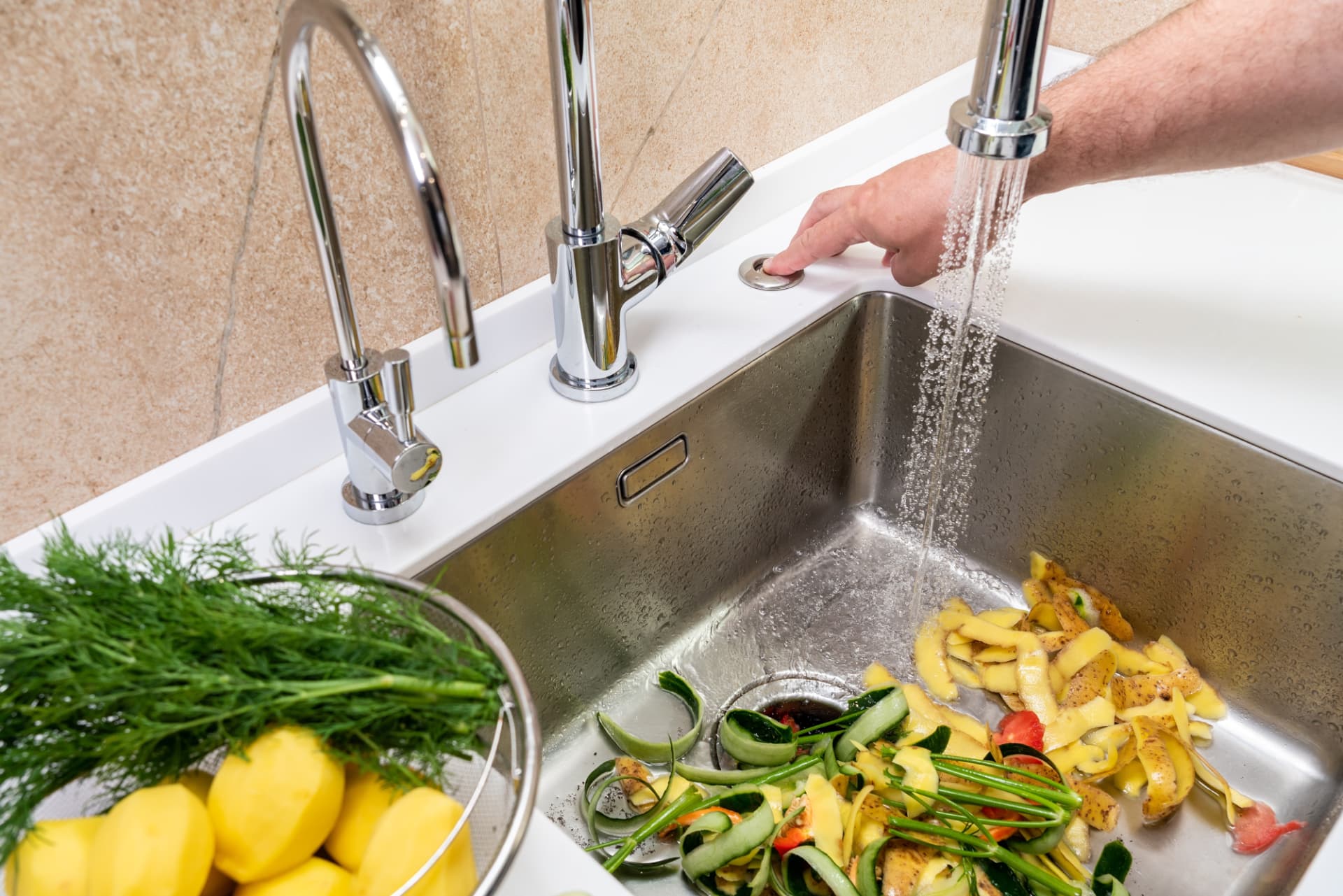
Continuous-feed disposals
The most common type, with the widest range of models and budget-friendly options. You can add food waste while the unit is running. Most need a switch installed.
Request service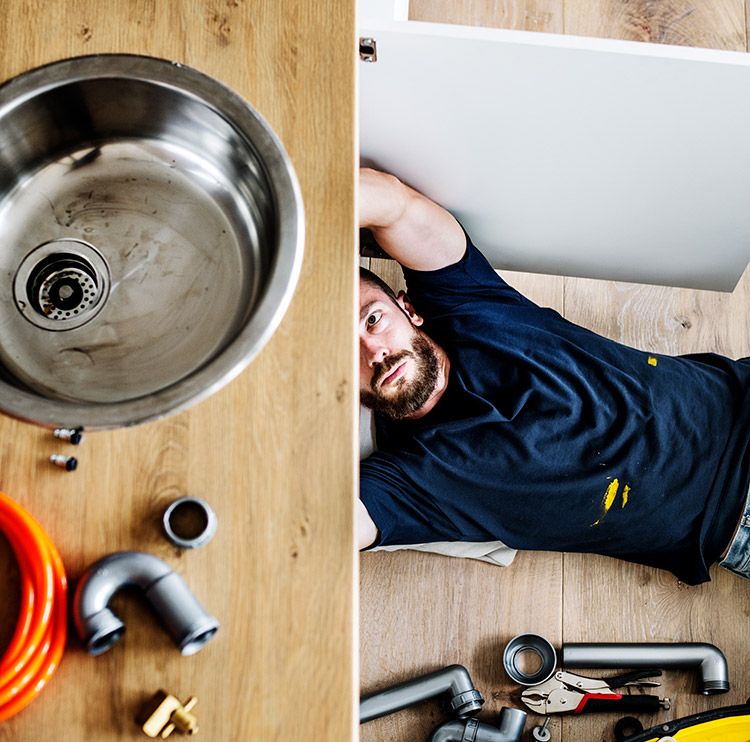
Batch-feed disposals
Only run once the drain is covered with a stopper, so no switch is required and nothing can fall in. Fewer models available and typically more expensive.
Request service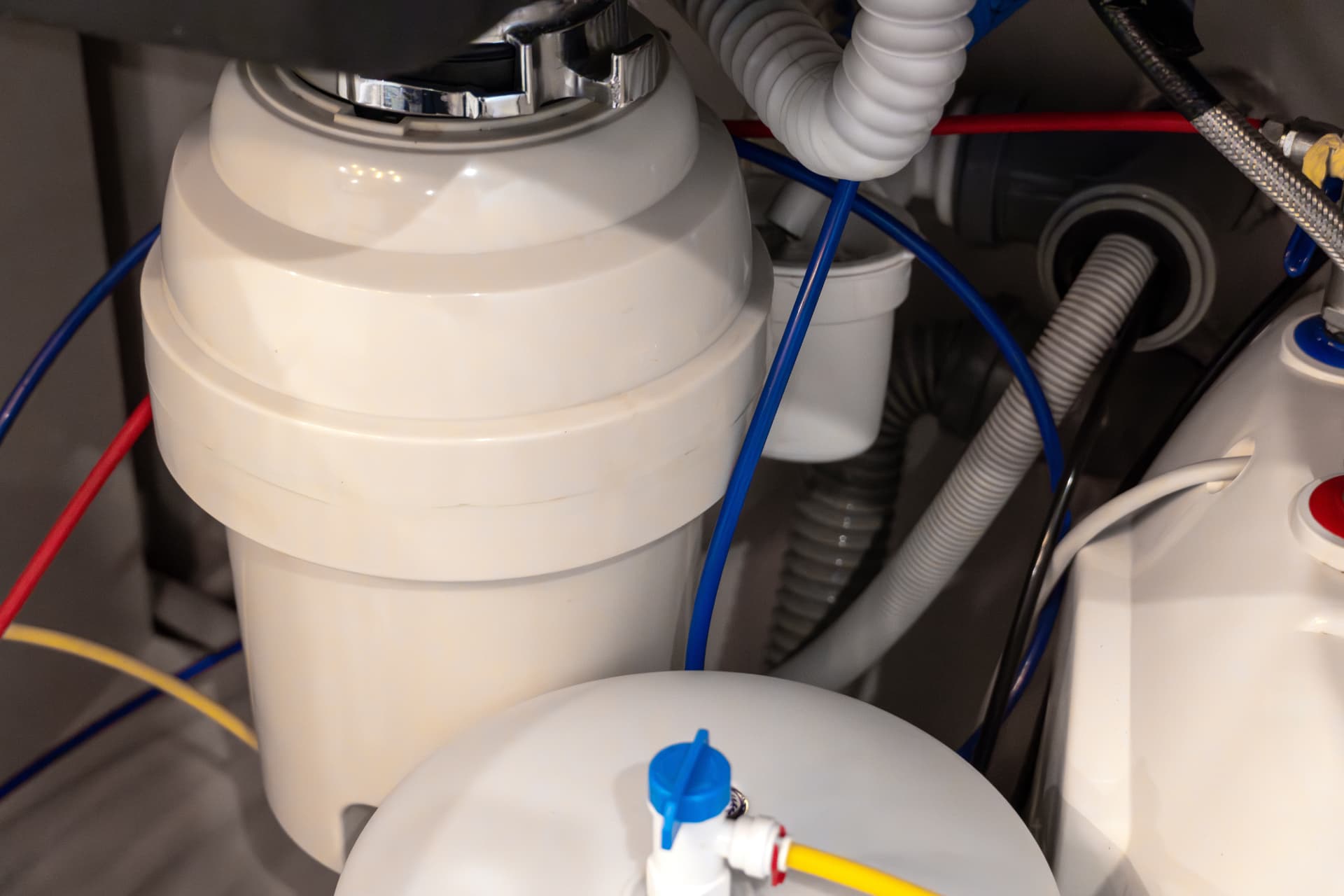
Repair & unjamming
Abnormal noises, leaks, odors, frequent clogging, slow performance, no power, or constant resets. An older disposal often needs maintenance, not replacement.
Request service
Replacement & upgrades
Stainless steel components, the right horsepower for your household, sound insulation, and a septic-friendly enzymatic reservoir. We size and install it properly.
Request serviceScroll to explore our services
How They Work
How Do Garbage Disposals Work?
Garbage disposals sit underneath the sink, between the sink drain and the trap, collecting food scraps in a chamber with a shredder ring.
The shredder ring breaks the scraps down, then water washes the waste through small holes in the chamber walls. From there your plumbing system handles the waste and operates as usual.
Knowing which type suits your kitchen, and when a repair beats a replacement, is what our master plumbers do every day.
Ask a Plumber
Humming, leaking, or jammed?
Ask a real plumber.
Describe the sound, the smell, or what stopped working. A master plumber will tell you whether it's a reset, a jam, or genuinely time for a new unit. No bots, no upsell.
Tell us what it's doing: humming without spinning, tripping the reset, leaking underneath, or dead with no power at all.
It hums but doesn't spin, and the reset button pops right back out. Repair or replace?
155+
years combined experience
14
Fully stocked service trucks
24/7
Emergency Dispatch
The Signs
What Is the Difference Between a Good and a Bad Garbage Disposal?
It can be hard to select the right disposal without research, and the wrong type causes plenty of issues. Cost isn't always the indicator of quality. These are the features that actually matter.

Signs of a good garbage disposal
- Stainless steel components that last longer
- The right horsepower and size for your needs
- Warranty and useful features
- Septic system enzymatic reservoir
- Strong brand reputation and reviews
- Sound baffles and nylon-coated grinding parts

Signs of a bad garbage disposal
- Abnormal noises
- Leaks
- Strange odors
- Frequent and unexplained clogging
- Slow performance
- No power or regular resets
Seeing these signs?If your disposal is new, contact the manufacturer first. If it's older, it doesn't automatically mean replacement. Often some maintenance work is all it takes, and we'll tell you honestly which one you're looking at. Fibrous scraps and grease can also cause drain clogs downstream that a disposal won't prevent.
When to Call A Pro
Call The Pros For Garbage Disposals
When a jam is a quick fix and when it's time to hand it to a licensed plumber.
Watch: 30 seconds with Atomic
Meet the crew who'll show up at your door.
A quick look at how we work, why families across Hampton Roads keep calling us back, and what to expect when the blue truck pulls up.
Why Homeowners Keep Them
Benefits of Garbage Disposals
A well-maintained disposal can last a decade or longer, which means substantial returns on the investment, plus a cleaner kitchen and less waste headed to a landfill.
Time saving
Scraps go straight down the drain instead of into a bag you have to take out.
Cost savings
Fewer trash bags, fewer clogs, and fewer emergency calls when food waste isn't sitting in your line.
Less kitchen odor
Food waste leaves the kitchen immediately instead of sitting in a bin until trash day.
Environmentally friendly
Keeps food waste out of the landfill, where it would otherwise generate methane.
Long lasting
With care, a decade or more of service from a single unit.
Fewer plumbing issues
Proper disposal of food waste means less of it accumulating where it shouldn't.
Myths about garbage disposals
Despite how many households own one, misconceptions are everywhere: that disposals are bad for the environment, that you need hot water, that any food waste can go in, and that they have sharp blades. None of those hold up. You don't need hot water, disposals use a shredder ring rather than blades, and being mindful of what goes in is what keeps the unit running for years.
Safe Disposal
What Is Safe To Put Down a Garbage Disposal?
The term garbage disposal is a little misleading. Only certain food waste belongs in the appliance, and the general rule is soft or liquid foods.
Safe to grind
- Fruit
- Bread
- Meat
- Dairy products
- Vegetables
- Cereals
- Seafood
- Ice cubes
Lead is especially dangerous for children
- Coffee grounds
- Grease or fat
- Dry expandable foods
- Utensils and trash
- Eggshells
- Onion or potato peels
- Large bones
- Oyster and clam shells
Never pour grease down the disposal. Fat solidifies as it cools and can damage the unit. Run cold water over food scraps so any remaining fat doesn't clog the disposal or your plumbing system. Eggshells are among the most common items homeowners add before running into trouble: the thin coating inside creates a sticky residue that builds up.
Fixture Brands We Install
KOHLER
Moen
Delta
American Standard
Your neighbors trust us
Always A Friendly Face At Your Door.
Family owned and family operated, we're proud to be recognized as the best plumbing company in Virginia Beach.
"Disposal died mid-Thanksgiving prep. They walked me through the reset over the phone first, then came out the next morning to replace it."
"Installed a quieter unit with a stainless grinder and it's night and day. He explained exactly what not to put down it."
"Honest crew. Told me my disposal just needed the jam cleared instead of selling me a new one. That's why we keep calling them."
Recognized across Hampton Roads



Join 2,400+ neighbors who trust Atomic
Same-day service across Virginia Beach, Norfolk, and Chesapeake.
Your neighbors trust us
When you see the blue truck,
help has arrived.
Every Atomic truck is a fully stocked workshop on wheels - radio-dispatched, GPS-tracked, and driven by a licensed master plumber. Most repairs finish in a single visit.
Commonly Asked Questions
Garbage disposal questions, answered.
How do garbage disposals work?
Garbage disposals sit underneath the sink, between the sink drain and the trap, collecting food scraps in a chamber with a shredder ring. The shredder ring breaks down the scraps, then water washes the waste through small holes in the chamber walls. Your plumbing system handles the waste from there and operates as usual.
What are garbage disposals made of?
A disposal is an electrically powered device with four main parts: the hopper chamber, the flywheel and shredder ring, the motor and impellers, and the waste line connector. The hopper chamber is the hollow cylinder you see under the sink, with an upper grinding chamber that collects waste and a lower section that houses the motor and waste line. The flywheel and shredder ring sit between them, and the impellers force food into the shredder.
What is safe to put down a garbage disposal?
Soft or liquid foods as a general rule: fruit, vegetables, bread, cereals, meat, seafood, and dairy products. Fruit scraps, pits, small bones, leftovers, cooked meats, and ice cubes also work well.
What is bad for my garbage disposal?
Avoid coffee grounds, eggshells, grease or fat, fibrous vegetables and peels like onion or potato, dry expandable foods, large bones, utensils, trash, and oyster or clam shells. Never pour grease down the disposal, since it solidifies and causes clogs. Use cold water on food scraps so any remaining fat doesn't coat the line.
Do garbage disposals have sharp blades?
No, that's one of the most common myths. Disposals use a shredder ring with grooves rather than blades. You also don't need hot water to run one, and they are not inherently bad for the environment. What you do need is awareness of what goes in and regular care.
How long should a garbage disposal last?
A well-maintained disposal can last a decade or longer, which is a substantial return on the investment. Stainless steel components last longer and clean more easily than cheaper materials.
Still have a question?
Talk to a real plumber, not a bot. We usually reply within an hour.
All Services
More plumbing

Water Heaters
Gas, electric, and tankless installation, repair, and replacement across Hampton Roads.

Drain Cleaning & Maintenance
Kitchen, toilet, and shower drains cleared fast, plus preventative maintenance that stops clogs before they start.

Pipe Cleaning & Repairs
Aging pipes, leaks, corrosion, and repiping. Don't wait for a burst line to find out what's behind the wall.
Request an Appointment
Let's get your kitchen running again.
Tell us what's going on and when you'd prefer us to arrive. We'll confirm your appointment by phone or email within one business hour.
- ✓Clear communicationWe text 30 minutes out - with a photo of your technician.
- ✓Transparent pricingUpfront quotes before any work begins. Never a hidden fee.
- ✓Clean & respectfulShoe covers on, tools tidy, wrapped up before we leave.